University of Arizona
Sense of Place
Geos. 195D
Go my children, burn your books,
Buy yourselves stout shoes.
Get away to the mountains, the deserts,
the deepest recesses of the earth.
In this way and no other
will you gain a true knowledge of things,
and of their properties.
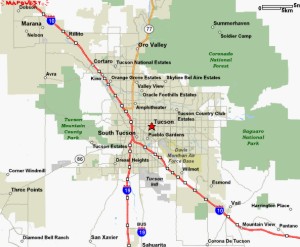
Peter Severinus, AD 1571 Description: Students are introduced to the geology and ecology of Tucson and surrounding mountain ranges, including interactions between past and present societies with desert and forest environments. Four Saturday field trips (one per month) are scheduled during the semester, each emphasizing a particular region with unique geological and biological aspects. This is a first-year colloquium course, but any UA student can enroll.
A Tuesday evening class meeting will take place prior to each Saturday field trip.
Instructors
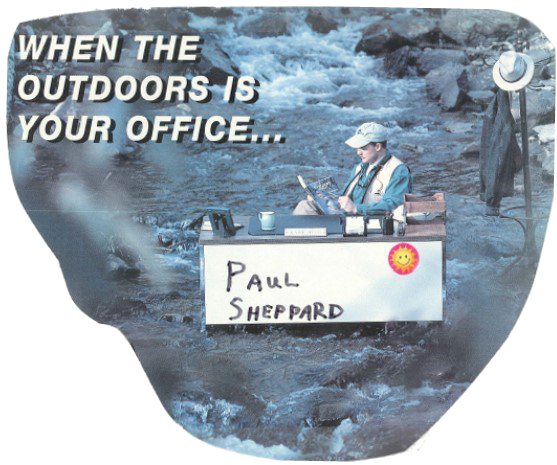
- Paul Sheppard
- Office: Laboratory of Tree-Ring Research, West Stadium 105C
- Office Phone: 621-6474
- E-mail: sheppard @ ltrr.arizona.edu
- Office Hours: MF 11:00 AM
- Gary Huckleberry
- Office: Off campus
- Office Phone: 615-2644
- E-mail: ghuck10 @ comcast.net
- Office Hours: TBA
The Field Trips
The dates for Spring 2009:
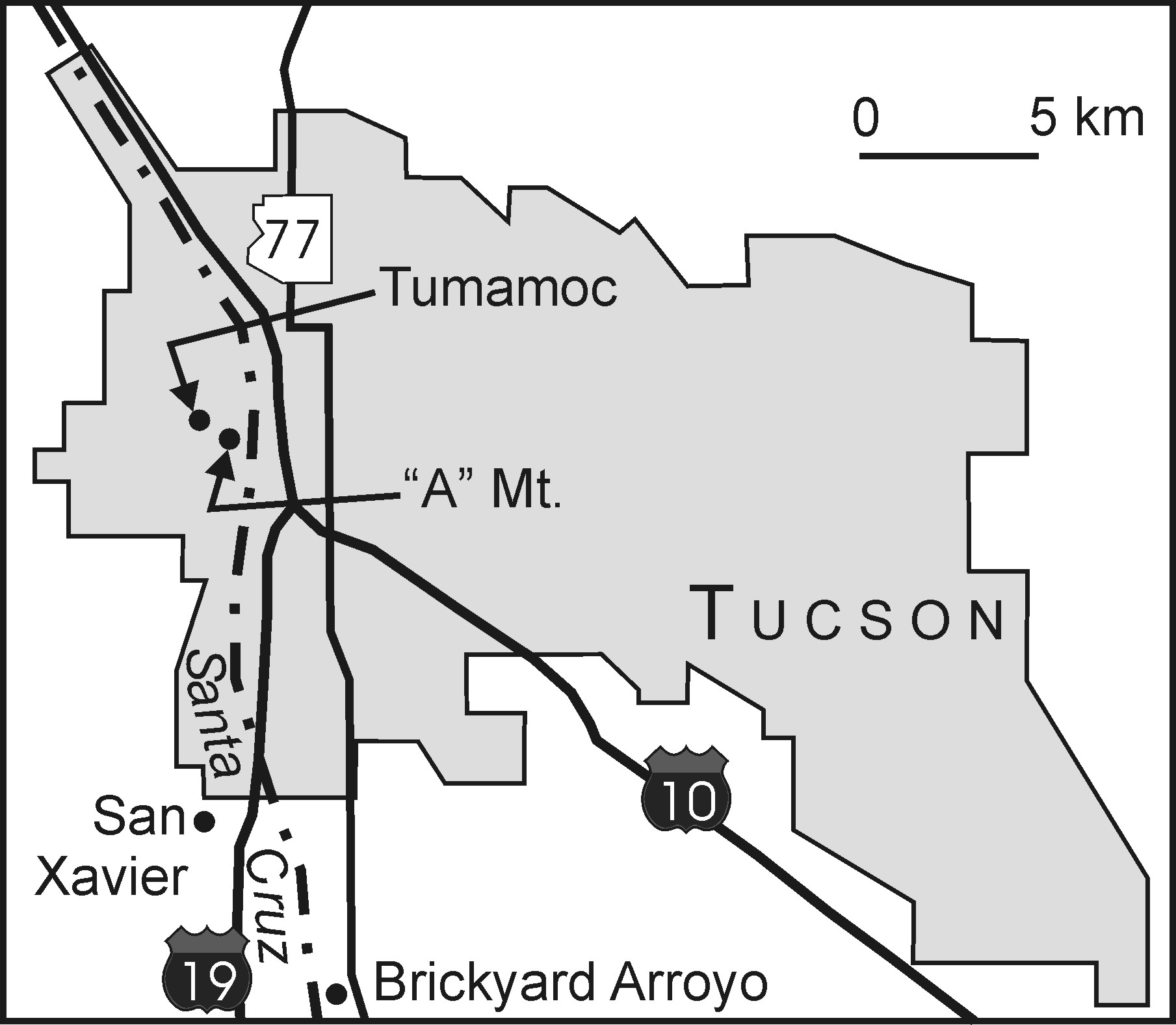
- January 31 (Tuesday night meeting is January 27): "A" Mt., Tumamoc Hill, Brickyard Arroyo, San Xavier.
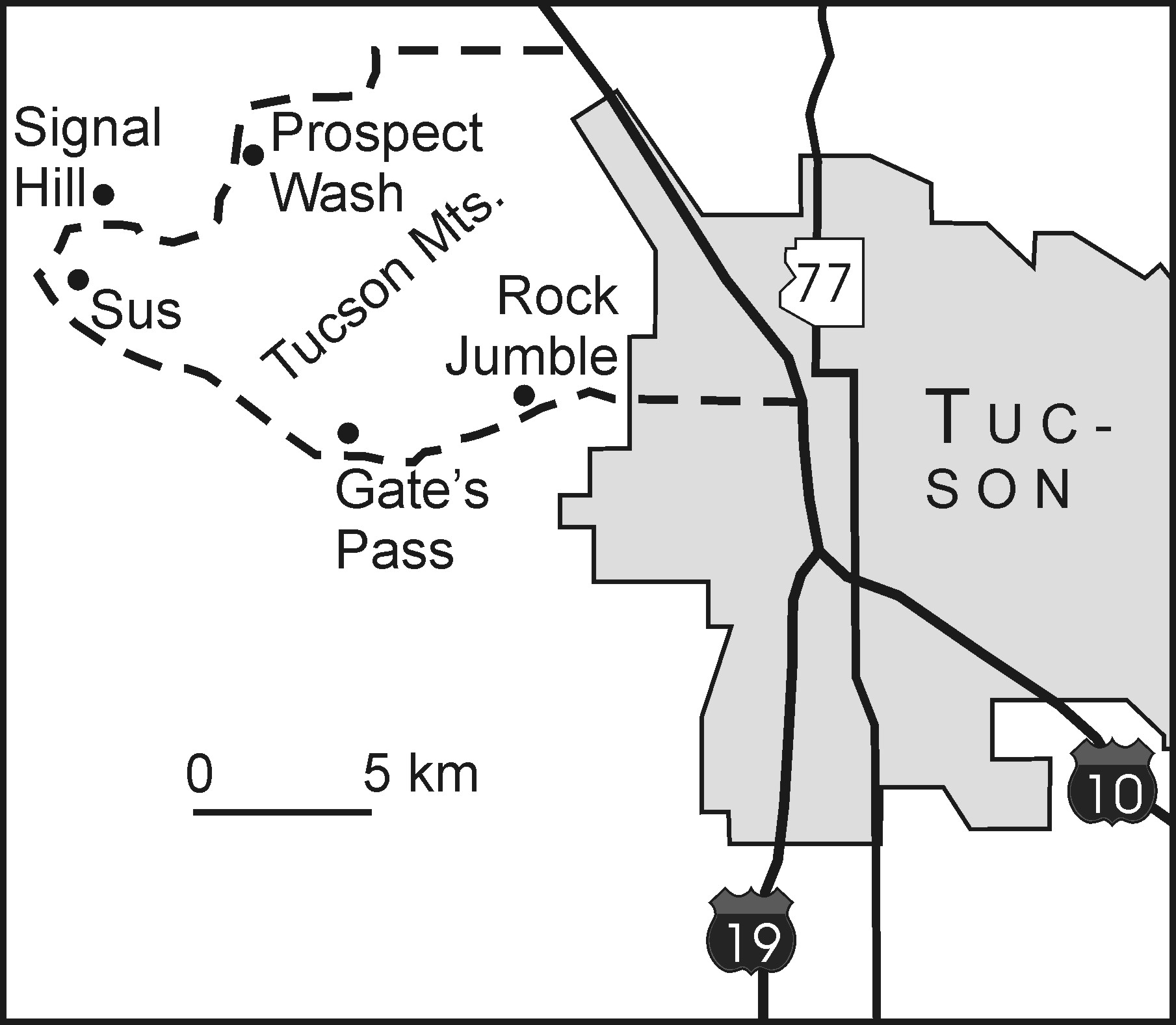
Be careful with parking on campus, because there's a men's basketball home game this day. Click here for a map of restricted parking. The LTRR lot under the West Stadium is off limits.- February 21 (Tuesday night meeting is February 17): Tucson Mts.
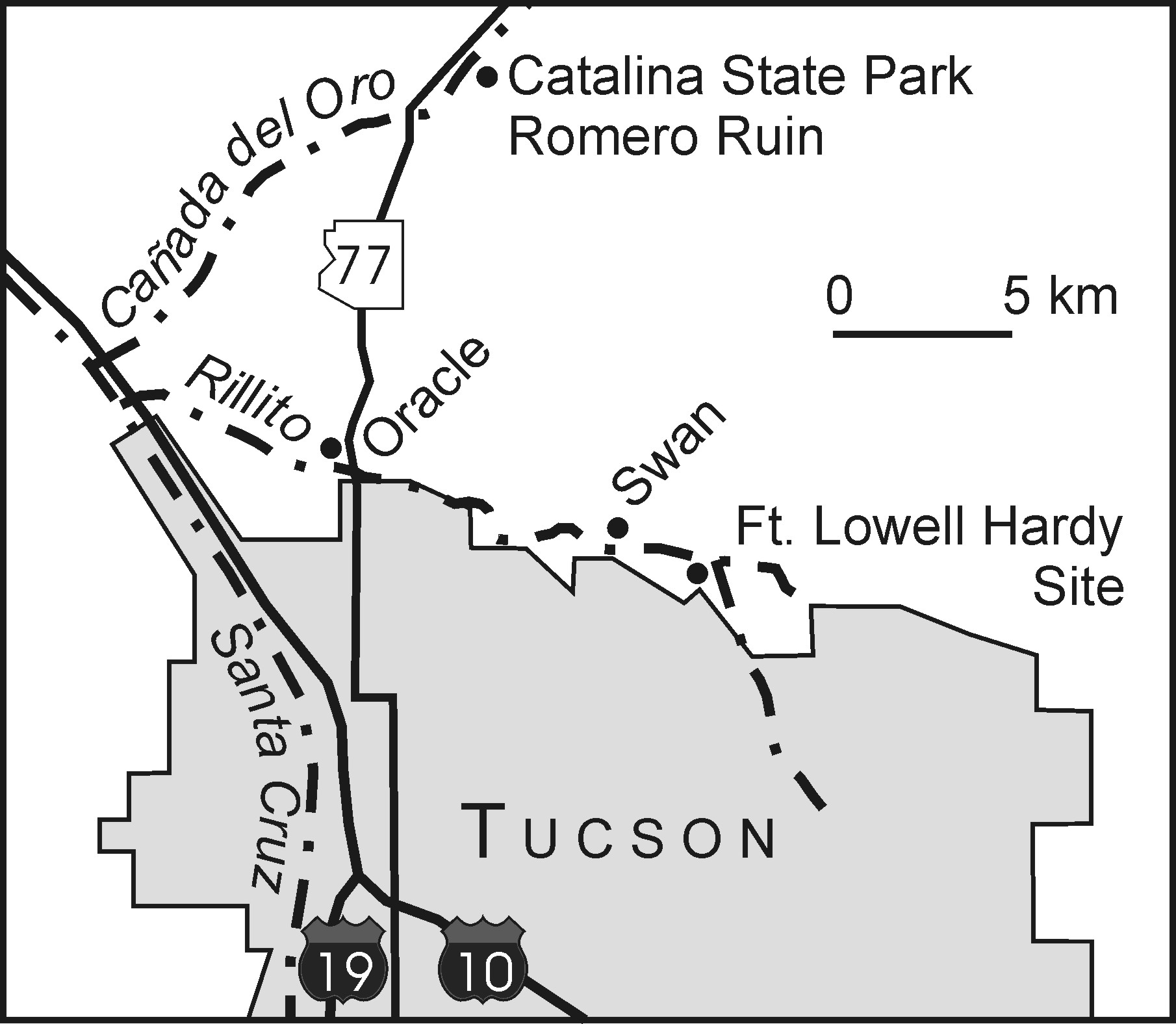
- March 28 (Tuesday night meeting is March 24): Ft. Lowell City Park, the mighty Rillito, and Catalina State Park.
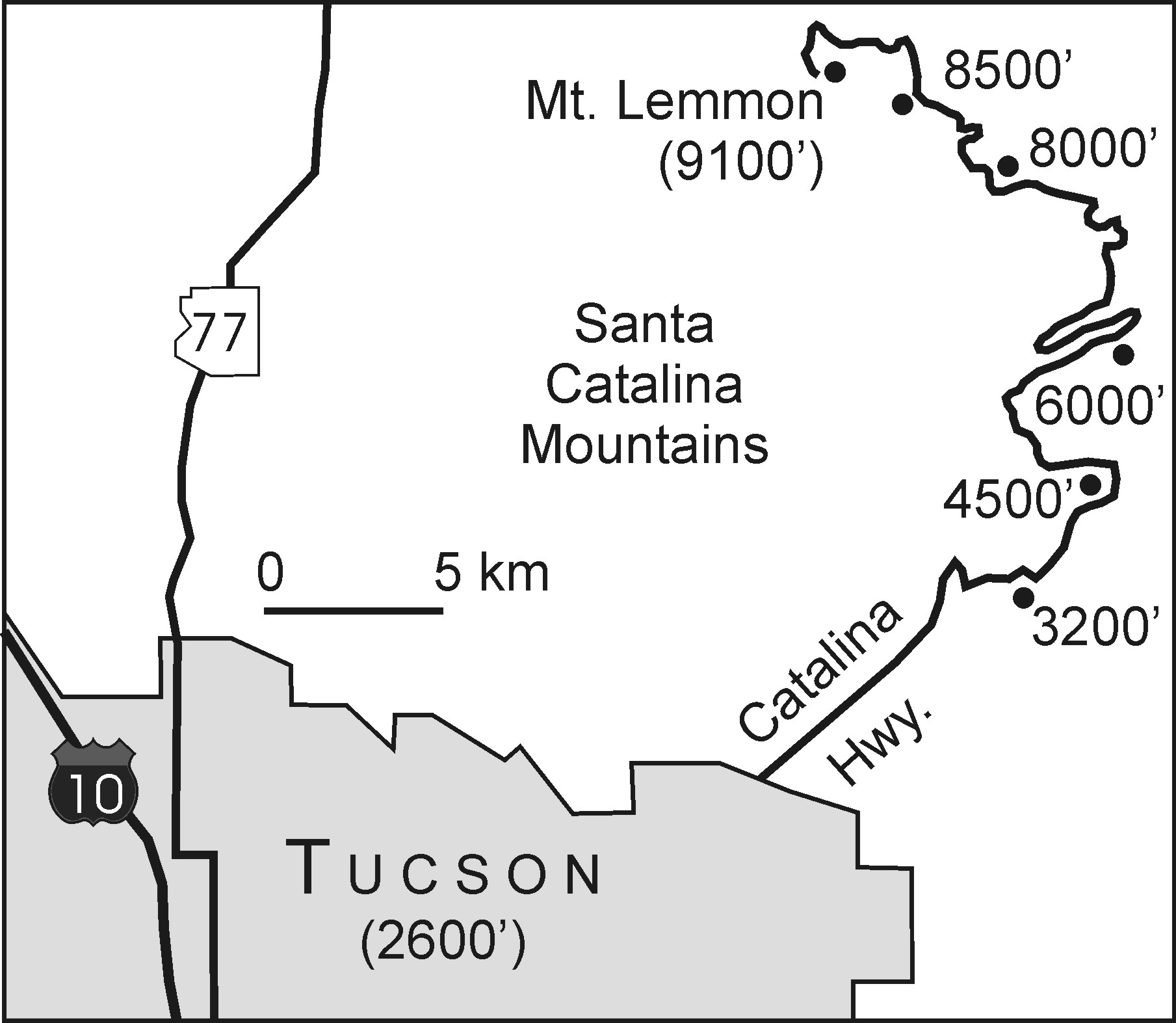
- April 18 (Tuesday night meeting is April 14): spring bloom on campus, Catalina Highway (all the way to the top!)
- Tuesday night meetings before trips will be from 7:00 to 9:00 PM, in Bio West 210.
- All Saturday trips run from 8:00 AM to about 5:00 PM; barring unforeseen events, we'll leave on time and get back on time.
- UA transportation provided.
- All trips leave from and return to the underside of the West Stadium. Parking usually available on Saturdays, depending on game day.
- Please bring this stuff:
- Layers of clothing for changing temperature during the day
- Rain gear, as necessary
- Walking shoes and/or hiking boots; sandals or flips flops won't cut it
- Hat, either for shade and/or warmth
- Your own sack lunch; an ice chest will be available
- Drinking watera container with at least one quart of water
- Sunscreen! Really!!
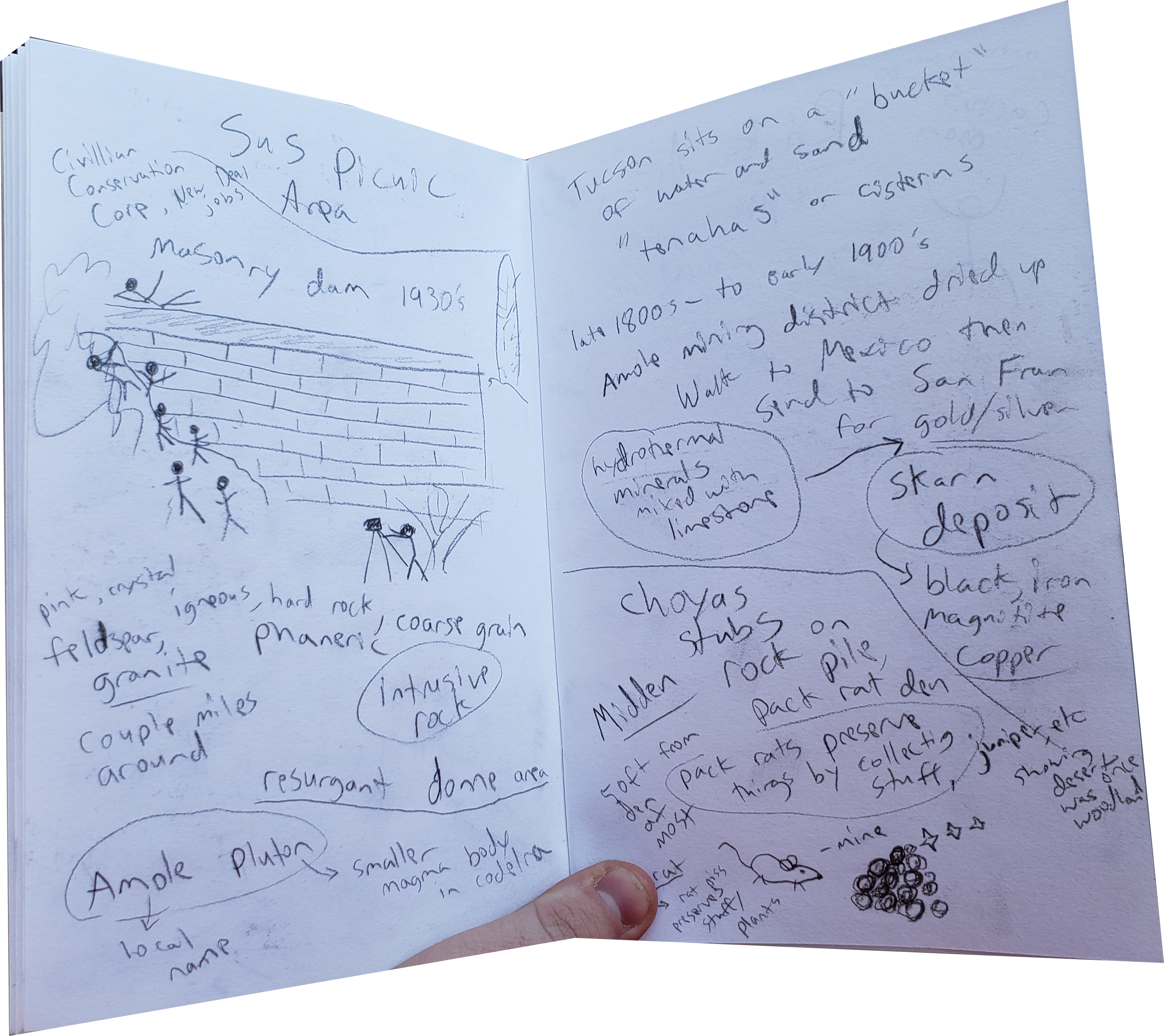
- Notebook (spiral variety is best) and pencils (colors if you got 'em)
- Optional: rock hammer, hand lens, binoculars, camera
Guidelines on Grading
- Geos 195d is available either for letter grade or pass-fail
- Attendence is required on all four field trips for a passing grade (make-ups are possible for emergency absences)
- Letter grades are based on active participation and quality of field notebook
Suggestions on Field Notebooks
- Leave adjacent pages blank for additional information later
- Take field notes and sketches only on one side of the page
- Use blank side for adding notes, interpretations, photos, and/or summaries
- Provide plenty of room for sketches
- Label all sketches, illustrations, and samples
- Sketches can be very simple. For example, draw simple layers to represent the rocks in the side of A Mountain
- For each field trip stop:
- Title the field trip stop
- Indicate location (maybe time of day, weather conditions, etc.)
- Record your personal observations using written descriptions and/or sketches
- Notes/sketches of rocks, plants, wildlife, human structures, etc.
- Patterns in the landscape: orientations of rock layers, clusters or associations of plants, erosion features, etc.
- Analysis of observations:
- What might control patterns you observe in the landscape?
- Focus on observations and simple analysis of observations rather than grand interpretations
- Discuss observations with fellow students and trip leaders
- Record questions to ask when you have an opportunity or research the answers after the trip
- At the end of each field trip, summarize the field trip into one or two pages:
- Integrate your observations, discussions, and questions of the day
- Think about the common threads and logical connections between the field trip stops
- Comment on what parts of the field trip stand out
- Later on, incorporate additional notes and information or photos, etc., into your notebook on adjacent blank pages
Copyright © 2004-2008 Laboratory of
Tree-Ring Research, The University of Arizona
Revised October, 2008
URL: http://www.ltrr.arizona.edu/~sheppard/sop/